
new

Get trending papers in your email inbox!

Subscribe

Daily Papers

byAK and the research community

May 18

HierarchicalPrune: Position-Aware Compression for Large-Scale Diffusion Models

State-of-the-art text-to-image diffusion models (DMs) achieve remarkable quality, yet their massive parameter scale (8-11B) poses significant challenges for inferences on resource-constrained devices. In this paper, we present HierarchicalPrune, a novel compression framework grounded in a key observation: DM blocks exhibit distinct functional hierarchies, where early blocks establish semantic structures while later blocks handle texture refinements. HierarchicalPrune synergistically combines three techniques: (1) Hierarchical Position Pruning, which identifies and removes less essential later blocks based on position hierarchy; (2) Positional Weight Preservation, which systematically protects early model portions that are essential for semantic structural integrity; and (3) Sensitivity-Guided Distillation, which adjusts knowledge-transfer intensity based on our discovery of block-wise sensitivity variations. As a result, our framework brings billion-scale diffusion models into a range more suitable for on-device inference, while preserving the quality of the output images. Specifically, when combined with INT4 weight quantisation, HierarchicalPrune achieves 77.5-80.4% memory footprint reduction (e.g., from 15.8 GB to 3.2 GB) and 27.9-38.0% latency reduction, measured on server and consumer grade GPUs, with the minimum drop of 2.6% in GenEval score and 7% in HPSv2 score compared to the original model. Last but not least, our comprehensive user study with 85 participants demonstrates that HierarchicalPrune maintains perceptual quality comparable to the original model while significantly outperforming prior works.

  • 6 authors
·
Aug 6, 2025

HealthiVert-GAN: A Novel Framework of Pseudo-Healthy Vertebral Image Synthesis for Interpretable Compression Fracture Grading

Osteoporotic vertebral compression fractures (VCFs) are prevalent in the elderly population, typically assessed on computed tomography (CT) scans by evaluating vertebral height loss. This assessment helps determine the fracture's impact on spinal stability and the need for surgical intervention. However, clinical data indicate that many VCFs exhibit irregular compression, complicating accurate diagnosis. While deep learning methods have shown promise in aiding VCFs screening, they often lack interpretability and sufficient sensitivity, limiting their clinical applicability. To address these challenges, we introduce a novel vertebra synthesis-height loss quantification-VCFs grading framework. Our proposed model, HealthiVert-GAN, utilizes a coarse-to-fine synthesis network designed to generate pseudo-healthy vertebral images that simulate the pre-fracture state of fractured vertebrae. This model integrates three auxiliary modules that leverage the morphology and height information of adjacent healthy vertebrae to ensure anatomical consistency. Additionally, we introduce the Relative Height Loss of Vertebrae (RHLV) as a quantification metric, which divides each vertebra into three sections to measure height loss between pre-fracture and post-fracture states, followed by fracture severity classification using a Support Vector Machine (SVM). Our approach achieves state-of-the-art classification performance on both the Verse2019 dataset and our private dataset, and it provides cross-sectional distribution maps of vertebral height loss. This practical tool enhances diagnostic sensitivity in clinical settings and assisting in surgical decision-making. Our code is available: https://github.com/zhibaishouheilab/HealthiVert-GAN.

  • 6 authors
·
Mar 7, 2025

CLASSP: a Biologically-Inspired Approach to Continual Learning through Adjustment Suppression and Sparsity Promotion

This paper introduces a new biologically-inspired training method named Continual Learning through Adjustment Suppression and Sparsity Promotion (CLASSP). CLASSP is based on two main principles observed in neuroscience, particularly in the context of synaptic transmission and Long-Term Potentiation (LTP). The first principle is a decay rate over the weight adjustment, which is implemented as a generalization of the AdaGrad optimization algorithm. This means that weights that have received many updates should have lower learning rates as they likely encode important information about previously seen data. However, this principle results in a diffuse distribution of updates throughout the model, as it promotes updates for weights that haven't been previously updated, while a sparse update distribution is preferred to leave weights unassigned for future tasks. Therefore, the second principle introduces a threshold on the loss gradient. This promotes sparse learning by updating a weight only if the loss gradient with respect to that weight is above a certain threshold, i.e. only updating weights with a significant impact on the current loss. Both principles reflect phenomena observed in LTP, where a threshold effect and a gradual saturation of potentiation have been observed. CLASSP is implemented in a Python/PyTorch class, making it applicable to any model. When compared with Elastic Weight Consolidation (EWC) using Computer Vision and sentiment analysis datasets, CLASSP demonstrates superior performance in terms of accuracy and memory footprint.

  • 1 authors
·
Apr 29, 2024

DreamVideo-Omni: Omni-Motion Controlled Multi-Subject Video Customization with Latent Identity Reinforcement Learning

While large-scale diffusion models have revolutionized video synthesis, achieving precise control over both multi-subject identity and multi-granularity motion remains a significant challenge. Recent attempts to bridge this gap often suffer from limited motion granularity, control ambiguity, and identity degradation, leading to suboptimal performance on identity preservation and motion control. In this work, we present DreamVideo-Omni, a unified framework enabling harmonious multi-subject customization with omni-motion control via a progressive two-stage training paradigm. In the first stage, we integrate comprehensive control signals for joint training, encompassing subject appearances, global motion, local dynamics, and camera movements. To ensure robust and precise controllability, we introduce a condition-aware 3D rotary positional embedding to coordinate heterogeneous inputs and a hierarchical motion injection strategy to enhance global motion guidance. Furthermore, to resolve multi-subject ambiguity, we introduce group and role embeddings to explicitly anchor motion signals to specific identities, effectively disentangling complex scenes into independent controllable instances. In the second stage, to mitigate identity degradation, we design a latent identity reward feedback learning paradigm by training a latent identity reward model upon a pretrained video diffusion backbone. This provides motion-aware identity rewards in the latent space, prioritizing identity preservation aligned with human preferences. Supported by our curated large-scale dataset and the comprehensive DreamOmni Bench for multi-subject and omni-motion control evaluation, DreamVideo-Omni demonstrates superior performance in generating high-quality videos with precise controllability.

AlibabaTongyiLab TongyiLab
·
Mar 12 2

Preserving Tumor Volumes for Unsupervised Medical Image Registration

Medical image registration is a critical task that estimates the spatial correspondence between pairs of images. However, current traditional and deep-learning-based methods rely on similarity measures to generate a deforming field, which often results in disproportionate volume changes in dissimilar regions, especially in tumor regions. These changes can significantly alter the tumor size and underlying anatomy, which limits the practical use of image registration in clinical diagnosis. To address this issue, we have formulated image registration with tumors as a constraint problem that preserves tumor volumes while maximizing image similarity in other normal regions. Our proposed strategy involves a two-stage process. In the first stage, we use similarity-based registration to identify potential tumor regions by their volume change, generating a soft tumor mask accordingly. In the second stage, we propose a volume-preserving registration with a novel adaptive volume-preserving loss that penalizes the change in size adaptively based on the masks calculated from the previous stage. Our approach balances image similarity and volume preservation in different regions, i.e., normal and tumor regions, by using soft tumor masks to adjust the imposition of volume-preserving loss on each one. This ensures that the tumor volume is preserved during the registration process. We have evaluated our strategy on various datasets and network architectures, demonstrating that our method successfully preserves the tumor volume while achieving comparable registration results with state-of-the-art methods. Our codes is available at: https://dddraxxx.github.io/Volume-Preserving-Registration/.

  • 5 authors
·
Sep 18, 2023

Effective Whole-body Pose Estimation with Two-stages Distillation

Whole-body pose estimation localizes the human body, hand, face, and foot keypoints in an image. This task is challenging due to multi-scale body parts, fine-grained localization for low-resolution regions, and data scarcity. Meanwhile, applying a highly efficient and accurate pose estimator to widely human-centric understanding and generation tasks is urgent. In this work, we present a two-stage pose Distillation for Whole-body Pose estimators, named DWPose, to improve their effectiveness and efficiency. The first-stage distillation designs a weight-decay strategy while utilizing a teacher's intermediate feature and final logits with both visible and invisible keypoints to supervise the student from scratch. The second stage distills the student model itself to further improve performance. Different from the previous self-knowledge distillation, this stage finetunes the student's head with only 20% training time as a plug-and-play training strategy. For data limitations, we explore the UBody dataset that contains diverse facial expressions and hand gestures for real-life applications. Comprehensive experiments show the superiority of our proposed simple yet effective methods. We achieve new state-of-the-art performance on COCO-WholeBody, significantly boosting the whole-body AP of RTMPose-l from 64.8% to 66.5%, even surpassing RTMPose-x teacher with 65.3% AP. We release a series of models with different sizes, from tiny to large, for satisfying various downstream tasks. Our codes and models are available at https://github.com/IDEA-Research/DWPose.

  • 4 authors
·
Jul 28, 2023

SIMSPINE: A Biomechanics-Aware Simulation Framework for 3D Spine Motion Annotation and Benchmarking

Modeling spinal motion is fundamental to understanding human biomechanics, yet remains underexplored in computer vision due to the spine's complex multi-joint kinematics and the lack of large-scale 3D annotations. We present a biomechanics-aware keypoint simulation framework that augments existing human pose datasets with anatomically consistent 3D spinal keypoints derived from musculoskeletal modeling. Using this framework, we create the first open dataset, named SIMSPINE, which provides sparse vertebra-level 3D spinal annotations for natural full-body motions in indoor multi-camera capture without external restraints. With 2.14 million frames, this enables data-driven learning of vertebral kinematics from subtle posture variations and bridges the gap between musculoskeletal simulation and computer vision. In addition, we release pretrained baselines covering fine-tuned 2D detectors, monocular 3D pose lifting models, and multi-view reconstruction pipelines, establishing a unified benchmark for biomechanically valid spine motion estimation. Specifically, our 2D spine baselines improve the state-of-the-art from 0.63 to 0.80 AUC in controlled environments, and from 0.91 to 0.93 AP for in-the-wild spine tracking. Together, the simulation framework and SIMSPINE dataset advance research in vision-based biomechanics, motion analysis, and digital human modeling by enabling reproducible, anatomically grounded 3D spine estimation under natural conditions.

Fast Spatial Memory with Elastic Test-Time Training

Large Chunk Test-Time Training (LaCT) has shown strong performance on long-context 3D reconstruction, but its fully plastic inference-time updates remain vulnerable to catastrophic forgetting and overfitting. As a result, LaCT is typically instantiated with a single large chunk spanning the full input sequence, falling short of the broader goal of handling arbitrarily long sequences in a single pass. We propose Elastic Test-Time Training inspired by elastic weight consolidation, that stabilizes LaCT fast-weight updates with a Fisher-weighted elastic prior around a maintained anchor state. The anchor evolves as an exponential moving average of past fast weights to balance stability and plasticity. Based on this updated architecture, we introduce Fast Spatial Memory (FSM), an efficient and scalable model for 4D reconstruction that learns spatiotemporal representations from long observation sequences and renders novel view-time combinations. We pre-trained FSM on large-scale curated 3D/4D data to capture the dynamics and semantics of complex spatial environments. Extensive experiments show that FSM supports fast adaptation over long sequences and delivers high-quality 3D/4D reconstruction with smaller chunks and mitigating the camera-interpolation shortcut. Overall, we hope to advance LaCT beyond the bounded single-chunk setting toward robust multi-chunk adaptation, a necessary step for generalization to genuinely longer sequences, while substantially alleviating the activation-memory bottleneck.

  • 6 authors
·
Apr 7 2

ComRoPE: Scalable and Robust Rotary Position Embedding Parameterized by Trainable Commuting Angle Matrices

The Transformer architecture has revolutionized various regions since it was proposed, and its effectiveness largely depends on the ability to encode positional information. Traditional position encoding methods exhibit significant limitations due to lack of robustness and flexibility of position. Therefore, Rotary Positional Encoding (RoPE) was proposed to alleviate these issues, which integrates positional information by rotating the embeddings in the attention mechanism. However, RoPE requires manually defined rotation matrices with limited transformation space, constraining the model's capacity. In this work, we propose ComRoPE, which generalizes RoPE by defining it in terms of trainable commuting angle matrices. Specifically, we demonstrate that pairwise commutativity of these matrices is essential for RoPE to achieve scalability and positional robustness. We formally define the RoPE Equation, which is an essential condition that ensures consistent performance with position offsets. Based on the theoretical analysis, we present two types of trainable commuting angle matrices as sufficient solutions to the RoPE equation, which significantly improve performance, surpassing the current state-of-the-art method by 1.6% at training resolution and 2.9% at higher resolution on the ImageNet-1K dataset. Furthermore, our framework shows versatility in generalizing to existing RoPE formulations and offering new insights for future positional encoding research. To ensure reproducibility, the source code and instructions are available at https://github.com/Longin-Yu/ComRoPE

  • 10 authors
·
Jun 4, 2025

Pose as Clinical Prior: Learning Dual Representations for Scoliosis Screening

Recent AI-based scoliosis screening methods primarily rely on large-scale silhouette datasets, often neglecting clinically relevant postural asymmetries-key indicators in traditional screening. In contrast, pose data provide an intuitive skeletal representation, enhancing clinical interpretability across various medical applications. However, pose-based scoliosis screening remains underexplored due to two main challenges: (1) the scarcity of large-scale, annotated pose datasets; and (2) the discrete and noise-sensitive nature of raw pose coordinates, which hinders the modeling of subtle asymmetries. To address these limitations, we introduce Scoliosis1K-Pose, a 2D human pose annotation set that extends the original Scoliosis1K dataset, comprising 447,900 frames of 2D keypoints from 1,050 adolescents. Building on this dataset, we introduce the Dual Representation Framework (DRF), which integrates a continuous skeleton map to preserve spatial structure with a discrete Postural Asymmetry Vector (PAV) that encodes clinically relevant asymmetry descriptors. A novel PAV-Guided Attention (PGA) module further uses the PAV as clinical prior to direct feature extraction from the skeleton map, focusing on clinically meaningful asymmetries. Extensive experiments demonstrate that DRF achieves state-of-the-art performance. Visualizations further confirm that the model leverages clinical asymmetry cues to guide feature extraction and promote synergy between its dual representations. The dataset and code are publicly available at https://zhouzi180.github.io/Scoliosis1K/.

  • 6 authors
·
Aug 31, 2025

Pose-independent 3D Anthropometry from Sparse Data

3D digital anthropometry is the study of estimating human body measurements from 3D scans. Precise body measurements are important health indicators in the medical industry, and guiding factors in the fashion, ergonomic and entertainment industries. The measuring protocol consists of scanning the whole subject in the static A-pose, which is maintained without breathing or movement during the scanning process. However, the A-pose is not easy to maintain during the whole scanning process, which can last even up to a couple of minutes. This constraint affects the final quality of the scan, which in turn affects the accuracy of the estimated body measurements obtained from methods that rely on dense geometric data. Additionally, this constraint makes it impossible to develop a digital anthropometry method for subjects unable to assume the A-pose, such as those with injuries or disabilities. We propose a method that can obtain body measurements from sparse landmarks acquired in any pose. We make use of the sparse landmarks of the posed subject to create pose-independent features, and train a network to predict the body measurements as taken from the standard A-pose. We show that our method achieves comparable results to competing methods that use dense geometry in the standard A-pose, but has the capability of estimating the body measurements from any pose using sparse landmarks only. Finally, we address the lack of open-source 3D anthropometry methods by making our method available to the research community at https://github.com/DavidBoja/pose-independent-anthropometry.

  • 4 authors
·
Jan 9, 2025

POCO: 3D Pose and Shape Estimation with Confidence

The regression of 3D Human Pose and Shape (HPS) from an image is becoming increasingly accurate. This makes the results useful for downstream tasks like human action recognition or 3D graphics. Yet, no regressor is perfect, and accuracy can be affected by ambiguous image evidence or by poses and appearance that are unseen during training. Most current HPS regressors, however, do not report the confidence of their outputs, meaning that downstream tasks cannot differentiate accurate estimates from inaccurate ones. To address this, we develop POCO, a novel framework for training HPS regressors to estimate not only a 3D human body, but also their confidence, in a single feed-forward pass. Specifically, POCO estimates both the 3D body pose and a per-sample variance. The key idea is to introduce a Dual Conditioning Strategy (DCS) for regressing uncertainty that is highly correlated to pose reconstruction quality. The POCO framework can be applied to any HPS regressor and here we evaluate it by modifying HMR, PARE, and CLIFF. In all cases, training the network to reason about uncertainty helps it learn to more accurately estimate 3D pose. While this was not our goal, the improvement is modest but consistent. Our main motivation is to provide uncertainty estimates for downstream tasks; we demonstrate this in two ways: (1) We use the confidence estimates to bootstrap HPS training. Given unlabelled image data, we take the confident estimates of a POCO-trained regressor as pseudo ground truth. Retraining with this automatically-curated data improves accuracy. (2) We exploit uncertainty in video pose estimation by automatically identifying uncertain frames (e.g. due to occlusion) and inpainting these from confident frames. Code and models will be available for research at https://poco.is.tue.mpg.de.

  • 5 authors
·
Aug 24, 2023

How connectivity structure shapes rich and lazy learning in neural circuits

In theoretical neuroscience, recent work leverages deep learning tools to explore how some network attributes critically influence its learning dynamics. Notably, initial weight distributions with small (resp. large) variance may yield a rich (resp. lazy) regime, where significant (resp. minor) changes to network states and representation are observed over the course of learning. However, in biology, neural circuit connectivity could exhibit a low-rank structure and therefore differs markedly from the random initializations generally used for these studies. As such, here we investigate how the structure of the initial weights -- in particular their effective rank -- influences the network learning regime. Through both empirical and theoretical analyses, we discover that high-rank initializations typically yield smaller network changes indicative of lazier learning, a finding we also confirm with experimentally-driven initial connectivity in recurrent neural networks. Conversely, low-rank initialization biases learning towards richer learning. Importantly, however, as an exception to this rule, we find lazier learning can still occur with a low-rank initialization that aligns with task and data statistics. Our research highlights the pivotal role of initial weight structures in shaping learning regimes, with implications for metabolic costs of plasticity and risks of catastrophic forgetting.

  • 6 authors
·
Oct 12, 2023

Understanding and Enforcing Weight Disentanglement in Task Arithmetic

Task arithmetic provides an efficient, training-free way to edit pre-trained models, yet lacks a fundamental theoretical explanation for its success. The existing concept of ``weight disentanglement" describes the ideal outcome of non-interfering task composition but does not reveal its underlying cause. Crucially, what intrinsic properties of the pre-trained model (θ_0) or the task vectors (τ_t) enable this disentanglement remains underexplored. In this paper, we introduce Task-Feature Specialization (TFS), a model's ability to allocate distinct internal features to different tasks, as the fundamental principle. We first prove that TFS is a sufficient condition for weight disentanglement. More importantly, we find that TFS also gives rise to an observable geometric consequence: weight vector orthogonality. This positions TFS as the common cause for both the desired functional outcome (disentanglement) and a measurable geometric property (orthogonality). This relationship provides the key insight for our method: since the abstract TFS property is intractable to enforce directly, we can instead promote weight disentanglement by shaping its concrete geometric consequence, orthogonality. Therefore, we propose OrthoReg, a simple and effective regularization method that actively enforces an internal orthogonal structure on weight updates (ΔW) that constitute τ_t during fine-tuning. And we theoretically prove that OrthoReg promotes disentanglement. Extensive experiments demonstrate that OrthoReg consistently and significantly enhances the performance of various task arithmetic methods. Code is available at https://github.com/RL-MIND/OrthoReg{https://github.com/RL-MIND/OrthoReg}.

RL-MIND RL-MIND Group
·
Apr 18 3

InTAct: Interval-based Task Activation Consolidation for Continual Learning

Continual learning aims to enable neural networks to acquire new knowledge without forgetting previously learned information. While recent prompt-based methods perform strongly in class-incremental settings, they remain vulnerable under domain shifts, where the input distribution changes but the label space remains fixed. This exposes a persistent problem known as representation drift. Shared representations evolve in ways that overwrite previously useful features and cause forgetting even when prompts isolate task-specific parameters. To address this issue, we introduce InTAct, a method that preserves functional behavior in shared layers without freezing parameters or storing past data. InTAct captures the characteristic activation ranges associated with previously learned tasks and constrains updates to ensure the network remains consistent within these regions, while still allowing for flexible adaptation elsewhere. In doing so, InTAct stabilizes the functional role of important neurons rather than directly restricting parameter values. The approach is architecture-agnostic and integrates seamlessly into existing prompt-based continual learning frameworks. By regulating representation changes where past knowledge is encoded, InTAct achieves a principled balance between stability and plasticity. Across diverse domain-incremental benchmarks, including DomainNet and ImageNet-R, InTAct consistently reduces representation drift and improves performance, increasing Average Accuracy by up to 8 percentage points over state-of-the-art baselines.

  • 6 authors
·
Nov 21, 2025

MeTRAbs: Metric-Scale Truncation-Robust Heatmaps for Absolute 3D Human Pose Estimation

Heatmap representations have formed the basis of human pose estimation systems for many years, and their extension to 3D has been a fruitful line of recent research. This includes 2.5D volumetric heatmaps, whose X and Y axes correspond to image space and Z to metric depth around the subject. To obtain metric-scale predictions, 2.5D methods need a separate post-processing step to resolve scale ambiguity. Further, they cannot localize body joints outside the image boundaries, leading to incomplete estimates for truncated images. To address these limitations, we propose metric-scale truncation-robust (MeTRo) volumetric heatmaps, whose dimensions are all defined in metric 3D space, instead of being aligned with image space. This reinterpretation of heatmap dimensions allows us to directly estimate complete, metric-scale poses without test-time knowledge of distance or relying on anthropometric heuristics, such as bone lengths. To further demonstrate the utility our representation, we present a differentiable combination of our 3D metric-scale heatmaps with 2D image-space ones to estimate absolute 3D pose (our MeTRAbs architecture). We find that supervision via absolute pose loss is crucial for accurate non-root-relative localization. Using a ResNet-50 backbone without further learned layers, we obtain state-of-the-art results on Human3.6M, MPI-INF-3DHP and MuPoTS-3D. Our code will be made publicly available to facilitate further research.

  • 4 authors
·
Jul 12, 2020

JAWS: Enhancing Long-term Rollout of Neural Operators via Spatially-Adaptive Jacobian Regularization

Data-driven surrogate models improve the efficiency of simulating continuous dynamical systems, yet their autoregressive rollouts are often limited by instability and spectral blow-up. While global regularization techniques can enforce contractive dynamics, they uniformly damp high-frequency features, introducing a contraction-dissipation dilemma. Furthermore, long-horizon trajectory optimization methods that explicitly correct drift are bottlenecked by memory constraints. In this work, we propose Jacobian-Adaptive Weighting for Stability (JAWS), a probabilistic regularization strategy designed to mitigate these limitations. By framing operator learning as Maximum A Posteriori (MAP) estimation with spatially heteroscedastic uncertainty, JAWS dynamically modulates the regularization strength based on local physical complexity. This allows the model to enforce contraction in smooth regions to suppress noise, while relaxing constraints near singular features to preserve gradients, effectively realizing a behavior similar to numerical shock-capturing schemes. Experiments demonstrate that this spatially-adaptive prior serves as an effective spectral pre-conditioner, which reduces the base operator's burden of handling high-frequency instabilities. This reduction enables memory-efficient, short-horizon trajectory optimization to match or exceed the long-term accuracy of long-horizon baselines. Evaluated on the 1D viscous Burgers' equation, our hybrid approach improves long-term stability, shock fidelity, and out-of-distribution generalization while reducing training computational costs.

  • 2 authors
·
Mar 4

Oscillation-free Quantization for Low-bit Vision Transformers

Weight oscillation is an undesirable side effect of quantization-aware training, in which quantized weights frequently jump between two quantized levels, resulting in training instability and a sub-optimal final model. We discover that the learnable scaling factor, a widely-used de facto setting in quantization aggravates weight oscillation. In this study, we investigate the connection between the learnable scaling factor and quantized weight oscillation and use ViT as a case driver to illustrate the findings and remedies. In addition, we also found that the interdependence between quantized weights in query and key of a self-attention layer makes ViT vulnerable to oscillation. We, therefore, propose three techniques accordingly: statistical weight quantization (rm StatsQ) to improve quantization robustness compared to the prevalent learnable-scale-based method; confidence-guided annealing (rm CGA) that freezes the weights with high confidence and calms the oscillating weights; and query-key reparameterization (rm QKR) to resolve the query-key intertwined oscillation and mitigate the resulting gradient misestimation. Extensive experiments demonstrate that these proposed techniques successfully abate weight oscillation and consistently achieve substantial accuracy improvement on ImageNet. Specifically, our 2-bit DeiT-T/DeiT-S algorithms outperform the previous state-of-the-art by 9.8% and 7.7%, respectively. Code and models are available at: https://github.com/nbasyl/OFQ.

  • 3 authors
·
Feb 4, 2023

From Skin to Skeleton: Towards Biomechanically Accurate 3D Digital Humans

Great progress has been made in estimating 3D human pose and shape from images and video by training neural networks to directly regress the parameters of parametric human models like SMPL. However, existing body models have simplified kinematic structures that do not correspond to the true joint locations and articulations in the human skeletal system, limiting their potential use in biomechanics. On the other hand, methods for estimating biomechanically accurate skeletal motion typically rely on complex motion capture systems and expensive optimization methods. What is needed is a parametric 3D human model with a biomechanically accurate skeletal structure that can be easily posed. To that end, we develop SKEL, which re-rigs the SMPL body model with a biomechanics skeleton. To enable this, we need training data of skeletons inside SMPL meshes in diverse poses. We build such a dataset by optimizing biomechanically accurate skeletons inside SMPL meshes from AMASS sequences. We then learn a regressor from SMPL mesh vertices to the optimized joint locations and bone rotations. Finally, we re-parametrize the SMPL mesh with the new kinematic parameters. The resulting SKEL model is animatable like SMPL but with fewer, and biomechanically-realistic, degrees of freedom. We show that SKEL has more biomechanically accurate joint locations than SMPL, and the bones fit inside the body surface better than previous methods. By fitting SKEL to SMPL meshes we are able to "upgrade" existing human pose and shape datasets to include biomechanical parameters. SKEL provides a new tool to enable biomechanics in the wild, while also providing vision and graphics researchers with a better constrained and more realistic model of human articulation. The model, code, and data are available for research at https://skel.is.tue.mpg.de..

  • 7 authors
·
Sep 8, 2025

Controllable Complex Human Motion Video Generation via Text-to-Skeleton Cascades

Generating videos of complex human motions such as flips, cartwheels, and martial arts remains challenging for current video diffusion models. Text-only conditioning is temporally ambiguous for fine-grained motion control, while explicit pose-based controls, though effective, require users to provide complete skeleton sequences that are costly to produce for long and dynamic actions. We propose a two-stage cascaded framework that addresses both limitations. First, an autoregressive text-to-skeleton model generates 2D pose sequences from natural language descriptions by predicting each joint conditioned on previously generated poses. This design captures long-range temporal dependencies and inter-joint coordination required for complex motions. Second, a pose-conditioned video diffusion model synthesizes videos from a reference image and the generated skeleton sequence. It employs DINO-ALF (Adaptive Layer Fusion), a multi-level reference encoder that preserves appearance and clothing details under large pose changes and self-occlusions. To address the lack of publicly available datasets for complex human motion video generation, we introduce a Blender-based synthetic dataset containing 2,000 videos with diverse characters performing acrobatic and stunt-like motions. The dataset provides full control over appearance, motion, and environment. It fills an important gap because existing benchmarks significantly under-represent acrobatic motions while web-collected datasets raise copyright and privacy concerns. Experiments on our synthetic dataset and the Motion-X Fitness benchmark show that our text-to-skeleton model outperforms prior methods on FID, R-precision, and motion diversity. Our pose-to-video model also achieves the best results among all compared methods on VBench metrics for temporal consistency, motion smoothness, and subject preservation.

  • 6 authors
·
Mar 8

Wavelet-based Positional Representation for Long Context

In the realm of large-scale language models, a significant challenge arises when extrapolating sequences beyond the maximum allowable length. This is because the model's position embedding mechanisms are limited to positions encountered during training, thus preventing effective representation of positions in longer sequences. We analyzed conventional position encoding methods for long contexts and found the following characteristics. (1) When the representation dimension is regarded as the time axis, Rotary Position Embedding (RoPE) can be interpreted as a restricted wavelet transform using Haar-like wavelets. However, because it uses only a fixed scale parameter, it does not fully exploit the advantages of wavelet transforms, which capture the fine movements of non-stationary signals using multiple scales (window sizes). This limitation could explain why RoPE performs poorly in extrapolation. (2) Previous research as well as our own analysis indicates that Attention with Linear Biases (ALiBi) functions similarly to windowed attention, using windows of varying sizes. However, it has limitations in capturing deep dependencies because it restricts the receptive field of the model. From these insights, we propose a new position representation method that captures multiple scales (i.e., window sizes) by leveraging wavelet transforms without limiting the model's attention field. Experimental results show that this new method improves the performance of the model in both short and long contexts. In particular, our method allows extrapolation of position information without limiting the model's attention field.

  • 4 authors
·
Feb 3, 2025

RigAnything: Template-Free Autoregressive Rigging for Diverse 3D Assets

We present RigAnything, a novel autoregressive transformer-based model, which makes 3D assets rig-ready by probabilistically generating joints, skeleton topologies, and assigning skinning weights in a template-free manner. Unlike most existing auto-rigging methods, which rely on predefined skeleton template and are limited to specific categories like humanoid, RigAnything approaches the rigging problem in an autoregressive manner, iteratively predicting the next joint based on the global input shape and the previous prediction. While autoregressive models are typically used to generate sequential data, RigAnything extends their application to effectively learn and represent skeletons, which are inherently tree structures. To achieve this, we organize the joints in a breadth-first search (BFS) order, enabling the skeleton to be defined as a sequence of 3D locations and the parent index. Furthermore, our model improves the accuracy of position prediction by leveraging diffusion modeling, ensuring precise and consistent placement of joints within the hierarchy. This formulation allows the autoregressive model to efficiently capture both spatial and hierarchical relationships within the skeleton. Trained end-to-end on both RigNet and Objaverse datasets, RigAnything demonstrates state-of-the-art performance across diverse object types, including humanoids, quadrupeds, marine creatures, insects, and many more, surpassing prior methods in quality, robustness, generalizability, and efficiency. Please check our website for more details: https://www.liuisabella.com/RigAnything.

  • 8 authors
·
Feb 13, 2025

Percept-Aware Surgical Planning for Visual Cortical Prostheses with Vascular Avoidance

Cortical visual prostheses aim to restore sight by electrically stimulating neurons in early visual cortex (V1). With the emergence of high-density and flexible neural interfaces, electrode placement within three-dimensional cortex has become a critical surgical planning problem. Existing strategies emphasize visual field coverage and anatomical heuristics but do not directly optimize predicted perceptual outcomes under safety constraints. We present a percept-aware framework for surgical planning of cortical visual prostheses that formulates electrode placement as a constrained optimization problem in anatomical space. Electrode coordinates are treated as learnable parameters and optimized end-to-end using a differentiable forward model of prosthetic vision. The objective minimizes task-level perceptual error while incorporating vascular avoidance and gray matter feasibility constraints. Evaluated on simulated reading and natural image tasks using realistic folded cortical geometry (FreeSurfer fsaverage), percept-aware optimization consistently improves reconstruction fidelity relative to coverage-based placement strategies. Importantly, vascular safety constraints eliminate margin violations while preserving perceptual performance. The framework further enables co-optimization of multi-electrode thread configurations under fixed insertion budgets. These results demonstrate how differentiable percept models can inform anatomically grounded, safety-aware computer-assisted planning for cortical neural interfaces and provide a foundation for optimizing next-generation visual prostheses.

  • 4 authors
·
Feb 27

MoCapAnything V2: End-to-End Motion Capture for Arbitrary Skeletons

Recent methods for arbitrary-skeleton motion capture from monocular video follow a factorized pipeline, where a Video-to-Pose network predicts joint positions and an analytical inverse-kinematics (IK) stage recovers joint rotations. While effective, this design is inherently limited, since joint positions do not fully determine rotations and leave degrees of freedom such as bone-axis twist ambiguous, and the non-differentiable IK stage prevents the system from adapting to noisy predictions or optimizing for the final animation objective. In this work, we present the first fully end-to-end framework in which both Video-to-Pose and Pose-to-Rotation are learnable and jointly optimized. We observe that the ambiguity in pose-to-rotation mapping arises from missing coordinate system information: the same joint positions can correspond to different rotations under different rest poses and local axis conventions. To resolve this, we introduce a reference pose-rotation pair from the target asset, which, together with the rest pose, not only anchors the mapping but also defines the underlying rotation coordinate system. This formulation turns rotation prediction into a well-constrained conditional problem and enables effective learning. In addition, our model predicts joint positions directly from video without relying on mesh intermediates, improving both robustness and efficiency. Both stages share a skeleton-aware Global-Local Graph-guided Multi-Head Attention (GL-GMHA) module for joint-level local reasoning and global coordination. Experiments on Truebones Zoo and Objaverse show that our method reduces rotation error from ~17 degrees to ~10 degrees, and to 6.54 degrees on unseen skeletons, while achieving ~20x faster inference than mesh-based pipelines. Project page: https://animotionlab.github.io/MoCapAnythingV2/

  • 13 authors
·
Apr 29 3

OpenCapBench: A Benchmark to Bridge Pose Estimation and Biomechanics

Pose estimation has promised to impact healthcare by enabling more practical methods to quantify nuances of human movement and biomechanics. However, despite the inherent connection between pose estimation and biomechanics, these disciplines have largely remained disparate. For example, most current pose estimation benchmarks use metrics such as Mean Per Joint Position Error, Percentage of Correct Keypoints, or mean Average Precision to assess performance, without quantifying kinematic and physiological correctness - key aspects for biomechanics. To alleviate this challenge, we develop OpenCapBench to offer an easy-to-use unified benchmark to assess common tasks in human pose estimation, evaluated under physiological constraints. OpenCapBench computes consistent kinematic metrics through joints angles provided by an open-source musculoskeletal modeling software (OpenSim). Through OpenCapBench, we demonstrate that current pose estimation models use keypoints that are too sparse for accurate biomechanics analysis. To mitigate this challenge, we introduce SynthPose, a new approach that enables finetuning of pre-trained 2D human pose models to predict an arbitrarily denser set of keypoints for accurate kinematic analysis through the use of synthetic data. Incorporating such finetuning on synthetic data of prior models leads to twofold reduced joint angle errors. Moreover, OpenCapBench allows users to benchmark their own developed models on our clinically relevant cohort. Overall, OpenCapBench bridges the computer vision and biomechanics communities, aiming to drive simultaneous advances in both areas.

  • 6 authors
·
Jun 14, 2024

Bone: Block Affine Transformation as Parameter Efficient Fine-tuning Methods for Large Language Models

Low-Rank Adaptation (LoRA) has achieved remarkable training results by freezing the original weights and training only low-rank matrices, establishing itself as the predominant fine-tuning method for LLMs. In pursuit of performance closer to full-parameter training, a series of LoRA variants have emerged, such as LoRA+, PISSA, Olora, and LoRA-GA. However, these improvements complicate the initial setup of model training and increase initialization time. More importantly, they overlook the internal interactions of the original weight information. To address these issues, we introduce a novel theory, ``Weight Guide'' aimed at continuously guiding trainable matrices through the original weights during training to enhance the utilization of weight information. Based on this theory, we designed a new PEFT technique called Bone (Block Affine), which not only enhances the utilization of original weight information but also emphasizes the internal connections between weights, leading to faster convergence and better data fitting. Experimental comparisons across two different LLM architectures (LLaMA2, RWKV6) and various parameter scales demonstrate that the Bone structure can achieve rapid convergence and superior data fitting without the need for complex initialization. For example, when fine-tuning LLaMA2-7B on the MetaMathQA dataset and validating on GSM8k and math benchmarks, Bone achieved fine-tuning scores of 49.36 and 8.8, respectively, outperforming PISSA by 5.84\% and 1.96\%.

  • 1 authors
·
Sep 19, 2024

End-To-End Prediction of Knee Osteoarthritis Progression With Multi-Modal Transformers

Knee Osteoarthritis (KOA) is a highly prevalent chronic musculoskeletal condition with no currently available treatment. The manifestation of KOA is heterogeneous and prediction of its progression is challenging. Current literature suggests that the use of multi-modal data and advanced modeling methods, such as the ones based on Deep Learning, has promise in tackling this challenge. To date, however, the evidence on the efficacy of this approach is limited. In this study, we leveraged recent advances in Deep Learning and, using a Transformer approach, developed a unified framework for the multi-modal fusion of knee imaging data. Subsequently, we analyzed its performance across a range of scenarios by investigating multiple progression horizons -- from short-term to long-term. We report our findings using a large cohort (n=2421-3967) derived from the Osteoarthritis Initiative dataset. We show that structural knee MRI allows identifying radiographic KOA progressors on par with multi-modal fusion approaches, achieving an area under the ROC curve (ROC AUC) of 0.70-0.76 and Average Precision (AP) of 0.15-0.54 in 2-8 year horizons. Progression within 1 year was better predicted with a multi-modal method using X-ray, structural, and compositional MR images -- ROC AUC of 0.76(0.04), AP of 0.13(0.04) -- or via clinical data. Our follow-up analysis generally shows that prediction from the imaging data is more accurate for post-traumatic subjects, and we further investigate which subject subgroups may benefit the most. The present study provides novel insights into multi-modal imaging of KOA and brings a unified data-driven framework for studying its progression in an end-to-end manner, providing new tools for the design of more efficient clinical trials. The source code of our framework and the pre-trained models are made publicly available.

  • 4 authors
·
Jul 3, 2023

Statistical mechanics of continual learning: variational principle and mean-field potential

An obstacle to artificial general intelligence is set by continual learning of multiple tasks of different nature. Recently, various heuristic tricks, both from machine learning and from neuroscience angles, were proposed, but they lack a unified theory ground. Here, we focus on continual learning in single-layered and multi-layered neural networks of binary weights. A variational Bayesian learning setting is thus proposed, where the neural networks are trained in a field-space, rather than gradient-ill-defined discrete-weight space, and furthermore, weight uncertainty is naturally incorporated, and modulates synaptic resources among tasks. From a physics perspective, we translate the variational continual learning into Franz-Parisi thermodynamic potential framework, where previous task knowledge acts as a prior and a reference as well. We thus interpret the continual learning of the binary perceptron in a teacher-student setting as a Franz-Parisi potential computation. The learning performance can then be analytically studied with mean-field order parameters, whose predictions coincide with numerical experiments using stochastic gradient descent methods. Based on the variational principle and Gaussian field approximation of internal preactivations in hidden layers, we also derive the learning algorithm considering weight uncertainty, which solves the continual learning with binary weights using multi-layered neural networks, and performs better than the currently available metaplasticity algorithm. Our proposed principled frameworks also connect to elastic weight consolidation, weight-uncertainty modulated learning, and neuroscience inspired metaplasticity, providing a theory-grounded method for the real-world multi-task learning with deep networks.

  • 4 authors
·
Dec 6, 2022

Transfer Learning for Meta-analysis Under Covariate Shift

Randomized controlled trials often do not represent the populations where decisions are made, and covariate shift across studies can invalidate standard IPD meta-analysis and transport estimators. We propose a placebo-anchored transport framework that treats source-trial outcomes as abundant proxy signals and target-trial placebo outcomes as scarce, high-fidelity gold labels to calibrate baseline risk. A low-complexity (sparse) correction anchors proxy outcome models to the target population, and the anchored models are embedded in a cross-fitted doubly robust learner, yielding a Neyman-orthogonal, target-site doubly robust estimator for patient-level heterogeneous treatment effects when target treated outcomes are available. We distinguish two regimes: in connected targets (with a treated arm), the method yields target-identified effect estimates; in disconnected targets (placebo-only), it reduces to a principled screen--then--transport procedure under explicit working-model transport assumptions. Experiments on synthetic data and a semi-synthetic IHDP benchmark evaluate pointwise CATE accuracy, ATE error, ranking quality for targeting, decision-theoretic policy regret, and calibration. Across connected settings, the proposed method is best or near-best and improves substantially over proxy-only, target-only, and transport baselines at small target sample sizes; in disconnected settings, it retains strong ranking performance for targeting while pointwise accuracy depends on the strength of the working transport condition.

  • 3 authors
·
Apr 5

ATLAS: Decoupling Skeletal and Shape Parameters for Expressive Parametric Human Modeling

Parametric body models offer expressive 3D representation of humans across a wide range of poses, shapes, and facial expressions, typically derived by learning a basis over registered 3D meshes. However, existing human mesh modeling approaches struggle to capture detailed variations across diverse body poses and shapes, largely due to limited training data diversity and restrictive modeling assumptions. Moreover, the common paradigm first optimizes the external body surface using a linear basis, then regresses internal skeletal joints from surface vertices. This approach introduces problematic dependencies between internal skeleton and outer soft tissue, limiting direct control over body height and bone lengths. To address these issues, we present ATLAS, a high-fidelity body model learned from 600k high-resolution scans captured using 240 synchronized cameras. Unlike previous methods, we explicitly decouple the shape and skeleton bases by grounding our mesh representation in the human skeleton. This decoupling enables enhanced shape expressivity, fine-grained customization of body attributes, and keypoint fitting independent of external soft-tissue characteristics. ATLAS outperforms existing methods by fitting unseen subjects in diverse poses more accurately, and quantitative evaluations show that our non-linear pose correctives more effectively capture complex poses compared to linear models.

  • 10 authors
·
Aug 21, 2025 2

Geometry-Conditioned Diffusion for Occlusion-Robust In-Bed Pose Estimation

Robust in-bed human pose estimation under blanket occlusion remains challenging due to the scarcity of reliable labeled training data for heavily covered poses. Existing approaches rely on multi-modal sensing or image-to-image translation frameworks that remain conditioned on visible source imagery, limiting scalability and pose diversity. In this work, we reformulate occlusion-aware augmentation as a geometry-conditioned generative modeling task. We conduct a systematic comparison of deterministic masking, unpaired translation, paired diffusion-based translation, and a proposed pose-conditioned Latent Diffusion Model (Pose-LDM). Unlike image-guided methods, Pose-LDM synthesizes blanket-covered images directly from skeletal keypoints, eliminating dependence on paired supervision and pixel-level source-image conditioning while enabling generation from arbitrary pose inputs. All augmentation strategies are evaluated through their impact on downstream pose estimation under a fixed backbone. Pose- LDM achieves the highest strict localization accuracy under severe occlusion while maintaining overall detection performance comparable to paired diffusion models, approaching the performance of fully supervised training. These results demonstrate that geometry-conditioned diffusion provides an effective and supervision-efficient pathway toward occlusion-robust inbed pose estimation without modifying the sensing pipeline. The code is available at: github.com/navidTerraNova/ GeoDiffPose.

  • 3 authors
·
Apr 25

When Precision Meets Position: BFloat16 Breaks Down RoPE in Long-Context Training

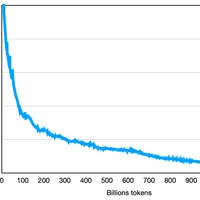
Extending context window sizes allows large language models (LLMs) to process longer sequences and handle more complex tasks. Rotary Positional Embedding (RoPE) has become the de facto standard due to its relative positional encoding properties that benefit long-context training. However, we observe that using RoPE with BFloat16 format results in numerical issues, causing it to deviate from its intended relative positional encoding, especially in long-context scenarios. This issue arises from BFloat16's limited precision and accumulates as context length increases, with the first token contributing significantly to this problem. To address this, we develop AnchorAttention, a plug-and-play attention method that alleviates numerical issues caused by BFloat16, improves long-context capabilities, and speeds up training. AnchorAttention reduces unnecessary attention computations, maintains semantic coherence, and boosts computational efficiency by treating the first token as a shared anchor with a consistent position ID, making it visible to all documents within the training context. Experiments on three types of LLMs demonstrate that AnchorAttention significantly improves long-context performance and reduces training time by over 50\% compared to standard full attention mechanisms, while preserving the original LLM's capabilities on general tasks. Our code is available at https://github.com/haonan3/AnchorContext.
  • 7 authors
·
Nov 20, 2024 2

Rotary Positional Embeddings as Phase Modulation: Theoretical Bounds on the RoPE Base for Long-Context Transformers

Rotary positional embeddings (RoPE) are widely used in large language models to encode token positions through multiplicative rotations, yet their behavior at long context lengths remains poorly characterized. In this work, we reinterpret RoPE as phase modulation applied to a bank of complex oscillators, enabling analysis through classical signal processing theory. Under this formulation, we derive principled lower bounds on the RoPE base parameter that are necessary to preserve positional coherence over a target context length. These include a fundamental aliasing bound, analogous to a Nyquist limit, and a DC-component stability bound that constrains phase drift in low-frequency positional modes. We further extend this analysis to deep transformers, showing that repeated rotary modulation across layers compounds angular misalignment, tightening the base requirement as depth increases. Complementing these results, we derive a precision-dependent upper bound on the RoPE base arising from finite floating-point resolution. Beyond this limit, incremental phase updates become numerically indistinguishable, leading to positional erasure even in the absence of aliasing. Together, the lower and upper bounds define a precision- and depth-dependent feasibility region a Goldilocks zone for long-context transformers. We validate the framework through a comprehensive case study of state-of-the-art models, including LLaMA, Mistral, and DeepSeek variants, showing that observed successes, failures, and community retrofits align closely with the predicted bounds. Notably, models that violate the stability bound exhibit attention collapse and long-range degradation, while attempts to scale beyond one million tokens encounter a hard precision wall independent of architecture or training.

  • 1 authors
·
Feb 11

Learning Skeletal Articulations with Neural Blend Shapes

Animating a newly designed character using motion capture (mocap) data is a long standing problem in computer animation. A key consideration is the skeletal structure that should correspond to the available mocap data, and the shape deformation in the joint regions, which often requires a tailored, pose-specific refinement. In this work, we develop a neural technique for articulating 3D characters using enveloping with a pre-defined skeletal structure which produces high quality pose dependent deformations. Our framework learns to rig and skin characters with the same articulation structure (e.g., bipeds or quadrupeds), and builds the desired skeleton hierarchy into the network architecture. Furthermore, we propose neural blend shapes--a set of corrective pose-dependent shapes which improve the deformation quality in the joint regions in order to address the notorious artifacts resulting from standard rigging and skinning. Our system estimates neural blend shapes for input meshes with arbitrary connectivity, as well as weighting coefficients which are conditioned on the input joint rotations. Unlike recent deep learning techniques which supervise the network with ground-truth rigging and skinning parameters, our approach does not assume that the training data has a specific underlying deformation model. Instead, during training, the network observes deformed shapes and learns to infer the corresponding rig, skin and blend shapes using indirect supervision. During inference, we demonstrate that our network generalizes to unseen characters with arbitrary mesh connectivity, including unrigged characters built by 3D artists. Conforming to standard skeletal animation models enables direct plug-and-play in standard animation software, as well as game engines.

  • 6 authors
·
May 6, 2021

From Memorization to Reasoning in the Spectrum of Loss Curvature

We characterize how memorization is represented in transformer models and show that it can be disentangled in the weights of both language models (LMs) and vision transformers (ViTs) using a decomposition based on the loss landscape curvature. This insight is based on prior theoretical and empirical work showing that the curvature for memorized training points is much sharper than non memorized, meaning ordering weight components from high to low curvature can reveal a distinction without explicit labels. This motivates a weight editing procedure that suppresses far more recitation of untargeted memorized data more effectively than a recent unlearning method (BalancedSubnet), while maintaining lower perplexity. Since the basis of curvature has a natural interpretation for shared structure in model weights, we analyze the editing procedure extensively on its effect on downstream tasks in LMs, and find that fact retrieval and arithmetic are specifically and consistently negatively affected, even though open book fact retrieval and general logical reasoning is conserved. We posit these tasks rely heavily on specialized directions in weight space rather than general purpose mechanisms, regardless of whether those individual datapoints are memorized. We support this by showing a correspondence between task data's activation strength with low curvature components that we edit out, and the drop in task performance after the edit. Our work enhances the understanding of memorization in neural networks with practical applications towards removing it, and provides evidence for idiosyncratic, narrowly-used structures involved in solving tasks like math and fact retrieval.

  • 4 authors
·
Oct 28, 2025

Prior-guided Source-free Domain Adaptation for Human Pose Estimation

Domain adaptation methods for 2D human pose estimation typically require continuous access to the source data during adaptation, which can be challenging due to privacy, memory, or computational constraints. To address this limitation, we focus on the task of source-free domain adaptation for pose estimation, where a source model must adapt to a new target domain using only unlabeled target data. Although recent advances have introduced source-free methods for classification tasks, extending them to the regression task of pose estimation is non-trivial. In this paper, we present Prior-guided Self-training (POST), a pseudo-labeling approach that builds on the popular Mean Teacher framework to compensate for the distribution shift. POST leverages prediction-level and feature-level consistency between a student and teacher model against certain image transformations. In the absence of source data, POST utilizes a human pose prior that regularizes the adaptation process by directing the model to generate more accurate and anatomically plausible pose pseudo-labels. Despite being simple and intuitive, our framework can deliver significant performance gains compared to applying the source model directly to the target data, as demonstrated in our extensive experiments and ablation studies. In fact, our approach achieves comparable performance to recent state-of-the-art methods that use source data for adaptation.

  • 5 authors
·
Aug 26, 2023

Learning, Fast and Slow: Towards LLMs That Adapt Continually

Large language models (LLMs) are trained for downstream tasks by updating their parameters (e.g., via RL). However, updating parameters forces them to absorb task-specific information, which can result in catastrophic forgetting and loss of plasticity. In contrast, in-context learning with fixed LLM parameters can cheaply and rapidly adapt to task-specific requirements (e.g., prompt optimization), but cannot by itself typically match the performance gains available through updating LLM parameters. There is no good reason for restricting learning to being in-context or in-weights. Moreover, humans also likely learn at different time scales (e.g., System 1 vs 2). To this end, we introduce a fast-slow learning framework for LLMs, with model parameters as "slow" weights and optimized context as "fast" weights. These fast "weights" can learn from textual feedback to absorb the task-specific information, while allowing slow weights to stay closer to the base model and persist general reasoning behaviors. Fast-Slow Training (FST) is up to 3x more sample-efficient than only slow learning (RL) across reasoning tasks, while consistently reaching a higher performance asymptote. Moreover, FST-trained models remain closer to the base LLM (up to 70% less KL divergence), resulting in less catastrophic forgetting than RL-training. This reduced drift also preserves plasticity: after training on one task, FST trained models adapt more effectively to a subsequent task than parameter-only trained models. In continual learning scenarios, where task domains change on the fly, FST continues to acquire each new task while parameter-only RL stalls.

Fatigue-PINN: Physics-Informed Fatigue-Driven Motion Modulation and Synthesis

Fatigue modeling is essential for motion synthesis tasks to model human motions under fatigued conditions and biomechanical engineering applications, such as investigating the variations in movement patterns and posture due to fatigue, defining injury risk mitigation and prevention strategies, formulating fatigue minimization schemes and creating improved ergonomic designs. Nevertheless, employing data-driven methods for synthesizing the impact of fatigue on motion, receives little to no attention in the literature. In this work, we present Fatigue-PINN, a deep learning framework based on Physics-Informed Neural Networks, for modeling fatigued human movements, while providing joint-specific fatigue configurations for adaptation and mitigation of motion artifacts on a joint level, resulting in more realistic animations. To account for muscle fatigue, we simulate the fatigue-induced fluctuations in the maximum exerted joint torques by leveraging a PINN adaptation of the Three-Compartment Controller model to exploit physics-domain knowledge for improving accuracy. This model also introduces parametric motion alignment with respect to joint-specific fatigue, hence avoiding sharp frame transitions. Our results indicate that Fatigue-PINN accurately simulates the effects of externally perceived fatigue on open-type human movements being consistent with findings from real-world experimental fatigue studies. Since fatigue is incorporated in torque space, Fatigue-PINN provides an end-to-end encoder-decoder-like architecture, to ensure transforming joint angles to joint torques and vice-versa, thus, being compatible with motion synthesis frameworks operating on joint angles.

  • 2 authors
·
Feb 26, 2025

Learning 3D Human Shape and Pose from Dense Body Parts

Reconstructing 3D human shape and pose from monocular images is challenging despite the promising results achieved by the most recent learning-based methods. The commonly occurred misalignment comes from the facts that the mapping from images to the model space is highly non-linear and the rotation-based pose representation of body models is prone to result in the drift of joint positions. In this work, we investigate learning 3D human shape and pose from dense correspondences of body parts and propose a Decompose-and-aggregate Network (DaNet) to address these issues. DaNet adopts the dense correspondence maps, which densely build a bridge between 2D pixels and 3D vertices, as intermediate representations to facilitate the learning of 2D-to-3D mapping. The prediction modules of DaNet are decomposed into one global stream and multiple local streams to enable global and fine-grained perceptions for the shape and pose predictions, respectively. Messages from local streams are further aggregated to enhance the robust prediction of the rotation-based poses, where a position-aided rotation feature refinement strategy is proposed to exploit spatial relationships between body joints. Moreover, a Part-based Dropout (PartDrop) strategy is introduced to drop out dense information from intermediate representations during training, encouraging the network to focus on more complementary body parts as well as neighboring position features. The efficacy of the proposed method is validated on both indoor and real-world datasets including Human3.6M, UP3D, COCO, and 3DPW, showing that our method could significantly improve the reconstruction performance in comparison with previous state-of-the-art methods. Our code is publicly available at https://hongwenzhang.github.io/dense2mesh .

  • 5 authors
·
Dec 31, 2019

Amortized Inverse Kinematics via Graph Attention for Real-Time Human Avatar Animation

Inverse kinematics (IK) is a core operation in animation, robotics, and biomechanics: given Cartesian constraints, recover joint rotations under a known kinematic tree. In many real-time human avatar pipelines, the available signal per frame is a sparse set of tracked 3D joint positions, whereas animation systems require joint orientations to drive skinning. Recovering full orientations from positions is underconstrained, most notably because twist about bone axes is ambiguous, and classical IK solvers typically rely on iterative optimization that can be slow and sensitive to noisy inputs. We introduce IK-GAT, a lightweight graph-attention network that reconstructs full-body joint orientations from 3D joint positions in a single forward pass. The model performs message passing over the skeletal parent-child graph to exploit kinematic structure during rotation inference. To simplify learning, IK-GAT predicts rotations in a bone-aligned world-frame representation anchored to rest-pose bone frames. This parameterization makes the twist axis explicit and is exactly invertible to standard parent-relative local rotations given the kinematic tree and rest pose. The network uses a continuous 6D rotation representation and is trained with a geodesic loss on SO(3) together with an optional forward-kinematics consistency regularizer. IK-GAT produces animation-ready local rotations that can directly drive a rigged avatar or be converted to pose parameters of SMPL-like body models for real-time and online applications. With 374K parameters and over 650 FPS on CPU, IK-GAT outperforms VPoser-based per-frame iterative optimization without warm-start at significantly lower cost, and is robust to initial pose and input noise

  • 6 authors
·
Apr 16

PostoMETRO: Pose Token Enhanced Mesh Transformer for Robust 3D Human Mesh Recovery

With the recent advancements in single-image-based human mesh recovery, there is a growing interest in enhancing its performance in certain extreme scenarios, such as occlusion, while maintaining overall model accuracy. Although obtaining accurately annotated 3D human poses under occlusion is challenging, there is still a wealth of rich and precise 2D pose annotations that can be leveraged. However, existing works mostly focus on directly leveraging 2D pose coordinates to estimate 3D pose and mesh. In this paper, we present PostoMETRO(Pose token enhanced MEsh TRansfOrmer), which integrates occlusion-resilient 2D pose representation into transformers in a token-wise manner. Utilizing a specialized pose tokenizer, we efficiently condense 2D pose data to a compact sequence of pose tokens and feed them to the transformer together with the image tokens. This process not only ensures a rich depiction of texture from the image but also fosters a robust integration of pose and image information. Subsequently, these combined tokens are queried by vertex and joint tokens to decode 3D coordinates of mesh vertices and human joints. Facilitated by the robust pose token representation and the effective combination, we are able to produce more precise 3D coordinates, even under extreme scenarios like occlusion. Experiments on both standard and occlusion-specific benchmarks demonstrate the effectiveness of PostoMETRO. Qualitative results further illustrate the clarity of how 2D pose can help 3D reconstruction. Code will be made available.

  • 4 authors
·
Mar 19, 2024

PhysRig: Differentiable Physics-Based Skinning and Rigging Framework for Realistic Articulated Object Modeling

Skinning and rigging are fundamental components in animation, articulated object reconstruction, motion transfer, and 4D generation. Existing approaches predominantly rely on Linear Blend Skinning (LBS), due to its simplicity and differentiability. However, LBS introduces artifacts such as volume loss and unnatural deformations, and it fails to model elastic materials like soft tissues, fur, and flexible appendages (e.g., elephant trunks, ears, and fatty tissues). In this work, we propose PhysRig: a differentiable physics-based skinning and rigging framework that overcomes these limitations by embedding the rigid skeleton into a volumetric representation (e.g., a tetrahedral mesh), which is simulated as a deformable soft-body structure driven by the animated skeleton. Our method leverages continuum mechanics and discretizes the object as particles embedded in an Eulerian background grid to ensure differentiability with respect to both material properties and skeletal motion. Additionally, we introduce material prototypes, significantly reducing the learning space while maintaining high expressiveness. To evaluate our framework, we construct a comprehensive synthetic dataset using meshes from Objaverse, The Amazing Animals Zoo, and MixaMo, covering diverse object categories and motion patterns. Our method consistently outperforms traditional LBS-based approaches, generating more realistic and physically plausible results. Furthermore, we demonstrate the applicability of our framework in the pose transfer task highlighting its versatility for articulated object modeling.

  • 5 authors
·
Jun 25, 2025 3

Skin Tokens: A Learned Compact Representation for Unified Autoregressive Rigging

The rapid proliferation of generative 3D models has created a critical bottleneck in animation pipelines: rigging. Existing automated methods are fundamentally limited by their approach to skinning, treating it as an ill-posed, high-dimensional regression task that is inefficient to optimize and is typically decoupled from skeleton generation. We posit this is a representation problem and introduce SkinTokens: a learned, compact, and discrete representation for skinning weights. By leveraging an FSQ-CVAE to capture the intrinsic sparsity of skinning, we reframe the task from continuous regression to a more tractable token sequence prediction problem. This representation enables TokenRig, a unified autoregressive framework that models the entire rig as a single sequence of skeletal parameters and SkinTokens, learning the complicated dependencies between skeletons and skin deformations. The unified model is then amenable to a reinforcement learning stage, where tailored geometric and semantic rewards improve generalization to complex, out-of-distribution assets. Quantitatively, the SkinTokens representation leads to a 98%-133% percents improvement in skinning accuracy over state-of-the-art methods, while the full TokenRig framework, refined with RL, enhances bone prediction by 17%-22%. Our work presents a unified, generative approach to rigging that yields higher fidelity and robustness, offering a scalable solution to a long-standing challenge in 3D content creation.

  • 5 authors
·
Feb 4 3

AnyPos: Automated Task-Agnostic Actions for Bimanual Manipulation

Learning generalizable manipulation policies hinges on data, yet robot manipulation data is scarce and often entangled with specific embodiments, making both cross-task and cross-platform transfer difficult. We tackle this challenge with task-agnostic embodiment modeling, which learns embodiment dynamics directly from task-agnostic action data and decouples them from high-level policy learning. By focusing on exploring all feasible actions of the embodiment to capture what is physically feasible and consistent, task-agnostic data takes the form of independent image-action pairs with the potential to cover the entire embodiment workspace, unlike task-specific data, which is sequential and tied to concrete tasks. This data-driven perspective bypasses the limitations of traditional dynamics-based modeling and enables scalable reuse of action data across different tasks. Building on this principle, we introduce AnyPos, a unified pipeline that integrates large-scale automated task-agnostic exploration with robust embodiment modeling through inverse dynamics learning. AnyPos generates diverse yet safe trajectories at scale, then learns embodiment representations by decoupling arm and end-effector motions and employing a direction-aware decoder to stabilize predictions under distribution shift, which can be seamlessly coupled with diverse high-level policy models. In comparison to the standard baseline, AnyPos achieves a 51% improvement in test accuracy. On manipulation tasks such as operating a microwave, toasting bread, folding clothes, watering plants, and scrubbing plates, AnyPos raises success rates by 30-40% over strong baselines. These results highlight data-driven embodiment modeling as a practical route to overcoming data scarcity and achieving generalization across tasks and platforms in visuomotor control. Project page: https://embodiedfoundation.github.io/vidar_anypos.

  • 8 authors
·
May 5

Contact-Anchored Proprioceptive Odometry for Quadruped Robots

Reliable odometry for legged robots without cameras or LiDAR remains challenging due to IMU drift and noisy joint velocity sensing. This paper presents a purely proprioceptive state estimator that uses only IMU and motor measurements to jointly estimate body pose and velocity, with a unified formulation applicable to biped, quadruped, and wheel-legged robots. The key idea is to treat each contacting leg as a kinematic anchor: joint-torque--based foot wrench estimation selects reliable contacts, and the corresponding footfall positions provide intermittent world-frame constraints that suppress long-term drift. To prevent elevation drift during extended traversal, we introduce a lightweight height clustering and time-decay correction that snaps newly recorded footfall heights to previously observed support planes. To improve foot velocity observations under encoder quantization, we apply an inverse-kinematics cubature Kalman filter that directly filters foot-end velocities from joint angles and velocities. The implementation further mitigates yaw drift through multi-contact geometric consistency and degrades gracefully to a kinematics-derived heading reference when IMU yaw constraints are unavailable or unreliable. We evaluate the method on four quadruped platforms (three Astrall robots and a Unitree Go2 EDU) using closed-loop trajectories. On Astrall point-foot robot~A, a sim200\,m horizontal loop and a sim15\,m vertical loop return with 0.1638\,m and 0.219\,m error, respectively; on wheel-legged robot~B, the corresponding errors are 0.2264\,m and 0.199\,m. On wheel-legged robot~C, a sim700\,m horizontal loop yields 7.68\,m error and a sim20\,m vertical loop yields 0.540\,m error. Unitree Go2 EDU closes a sim120\,m horizontal loop with 2.2138\,m error and a sim8\,m vertical loop with less than 0.1\,m vertical error. github.com/ShineMinxing/Ros2Go2Estimator.git

UCAS ucas
·
Feb 19 2

DisPose: Disentangling Pose Guidance for Controllable Human Image Animation

Controllable human image animation aims to generate videos from reference images using driving videos. Due to the limited control signals provided by sparse guidance (e.g., skeleton pose), recent works have attempted to introduce additional dense conditions (e.g., depth map) to ensure motion alignment. However, such strict dense guidance impairs the quality of the generated video when the body shape of the reference character differs significantly from that of the driving video. In this paper, we present DisPose to mine more generalizable and effective control signals without additional dense input, which disentangles the sparse skeleton pose in human image animation into motion field guidance and keypoint correspondence. Specifically, we generate a dense motion field from a sparse motion field and the reference image, which provides region-level dense guidance while maintaining the generalization of the sparse pose control. We also extract diffusion features corresponding to pose keypoints from the reference image, and then these point features are transferred to the target pose to provide distinct identity information. To seamlessly integrate into existing models, we propose a plug-and-play hybrid ControlNet that improves the quality and consistency of generated videos while freezing the existing model parameters. Extensive qualitative and quantitative experiments demonstrate the superiority of DisPose compared to current methods. Code: https://github.com/lihxxx/DisPose{https://github.com/lihxxx/DisPose}.

  • 7 authors
·
Dec 12, 2024 2

The Impact of Positional Encoding on Length Generalization in Transformers

Length generalization, the ability to generalize from small training context sizes to larger ones, is a critical challenge in the development of Transformer-based language models. Positional encoding (PE) has been identified as a major factor influencing length generalization, but the exact impact of different PE schemes on extrapolation in downstream tasks remains unclear. In this paper, we conduct a systematic empirical study comparing the length generalization performance of decoder-only Transformers with five different position encoding approaches including Absolute Position Embedding (APE), T5's Relative PE, ALiBi, and Rotary, in addition to Transformers without positional encoding (NoPE). Our evaluation encompasses a battery of reasoning and mathematical tasks. Our findings reveal that the most commonly used positional encoding methods, such as ALiBi, Rotary, and APE, are not well suited for length generalization in downstream tasks. More importantly, NoPE outperforms other explicit positional encoding methods while requiring no additional computation. We theoretically demonstrate that NoPE can represent both absolute and relative PEs, but when trained with SGD, it mostly resembles T5's relative PE attention patterns. Finally, we find that scratchpad is not always helpful to solve length generalization and its format highly impacts the model's performance. Overall, our work suggests that explicit position embeddings are not essential for decoder-only Transformers to generalize well to longer sequences.

  • 5 authors
·
May 30, 2023

Safe & Accurate at Speed with Tendons: A Robot Arm for Exploring Dynamic Motion

Operating robots precisely and at high speeds has been a long-standing goal of robotics research. Balancing these competing demands is key to enabling the seamless collaboration of robots and humans and increasing task performance. However, traditional motor-driven systems often fall short in this balancing act. Due to their rigid and often heavy design exacerbated by positioning the motors into the joints, faster motions of such robots transfer high forces at impact. To enable precise and safe dynamic motions, we introduce a four degree-of-freedom~(DoF) tendon-driven robot arm. Tendons allow placing the actuation at the base to reduce the robot's inertia, which we show significantly reduces peak collision forces compared to conventional robots with motors placed near the joints. Pairing our robot with pneumatic muscles allows generating high forces and highly accelerated motions, while benefiting from impact resilience through passive compliance. Since tendons are subject to additional friction and hence prone to wear and tear, we validate the reliability of our robotic arm on various experiments, including long-term dynamic motions. We also demonstrate its ease of control by quantifying the nonlinearities of the system and the performance on a challenging dynamic table tennis task learned from scratch using reinforcement learning. We open-source the entire hardware design, which can be largely 3D printed, the control software, and a proprioceptive dataset of 25 days of diverse robot motions at webdav.tuebingen.mpg.de/pamy2.

  • 12 authors
·
Jul 5, 2023